Recent News & Press

Molly Morse, founder of Mango Materials, transforms methane into biodegradable plastics, turning a greenhouse gas into a sustainable resource. This episode explores her journey from research to building a climate-tech startup with real-world impact.
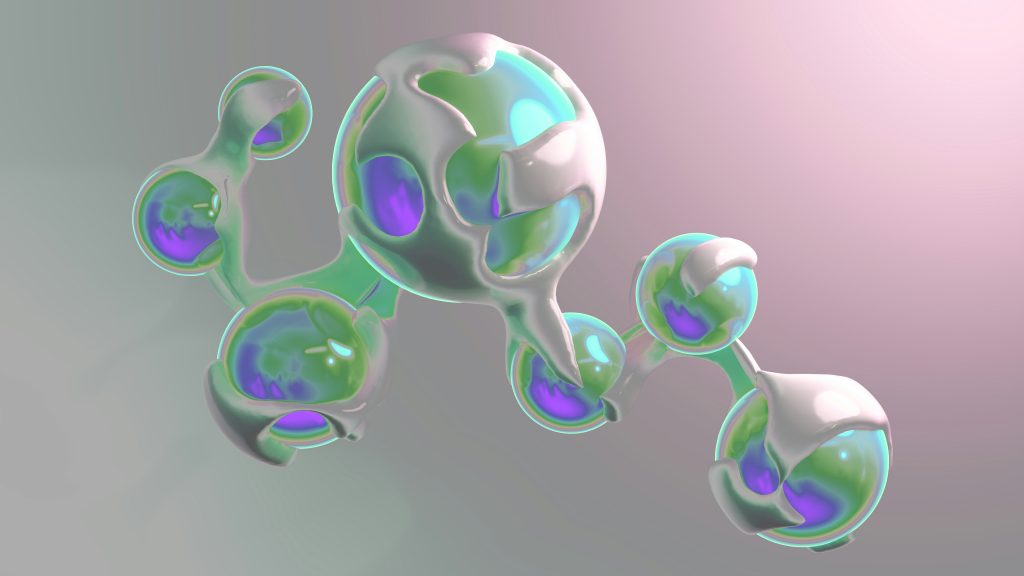
In the podcast “From Gas to Glam,” Molly Morse, CEO and co-founder of Mango Materials, details how her company turns methane into PHA bioplastics, discusses partnerships with wastewater facilities and brands, and lays out the challenges and opportunities of scaling biodegradable polymer production
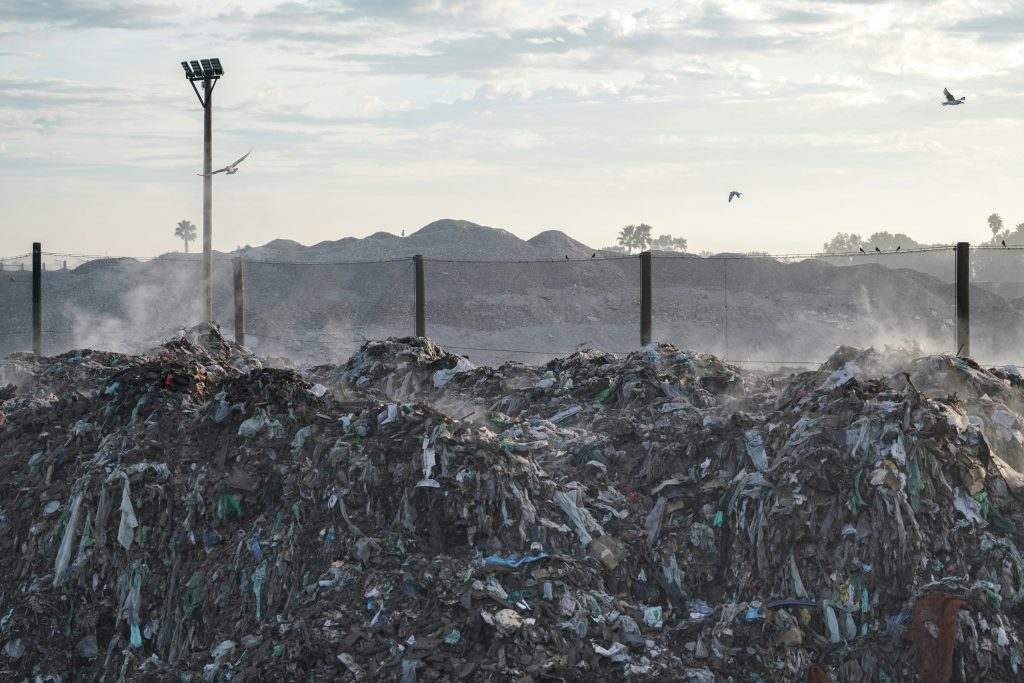
Mango Materials is developing a process to convert methane from waste (e.g. biogas at a wastewater plant) into the biodegradable polymer PHA at scale, aiming for a distributed manufacturing model to rival petroleum plastics.

Mango Materials is heading a BioMADE-funded project (running through June 2026) to scale a methane-to-PHA biomanufacturing process, aiming to enable decentralized, low-resource production of biodegradable plastics.

Molly Morse joins the Good Garbage podcast to share how Mango Materials transforms waste methane into biodegradable plastics, turning a potent greenhouse gas into a powerful climate solution.

One of the 17 BioMADE-funded projects will scale up Mango Materials’ gas fermentation process to convert methane into biodegradable PHA polymers, enabling decentralized biomaterials manufacturing.

There’s no place like home and for Mango Materials, that is the City of Vacaville which recently approved a long term lease and biogas purchase agreement to support Mango Materials commercial scale up.

Mango Materials collaborates with Berkeley Lab ABPDU to optimize our process and test out industrial-scale relevant equipment.

Mango Materials and a group from the Colorado School of Mines test bioreactor on weightless parabolic flights. This research could lead to 3D printing of bioplastic in space.

Mango Materials announces new research on an innovative use for the naturally occurring biopolymer PHA. PHA (which can be made by bacteria during fermentation) can be used to reduce nitrogen in aquatic systems.